
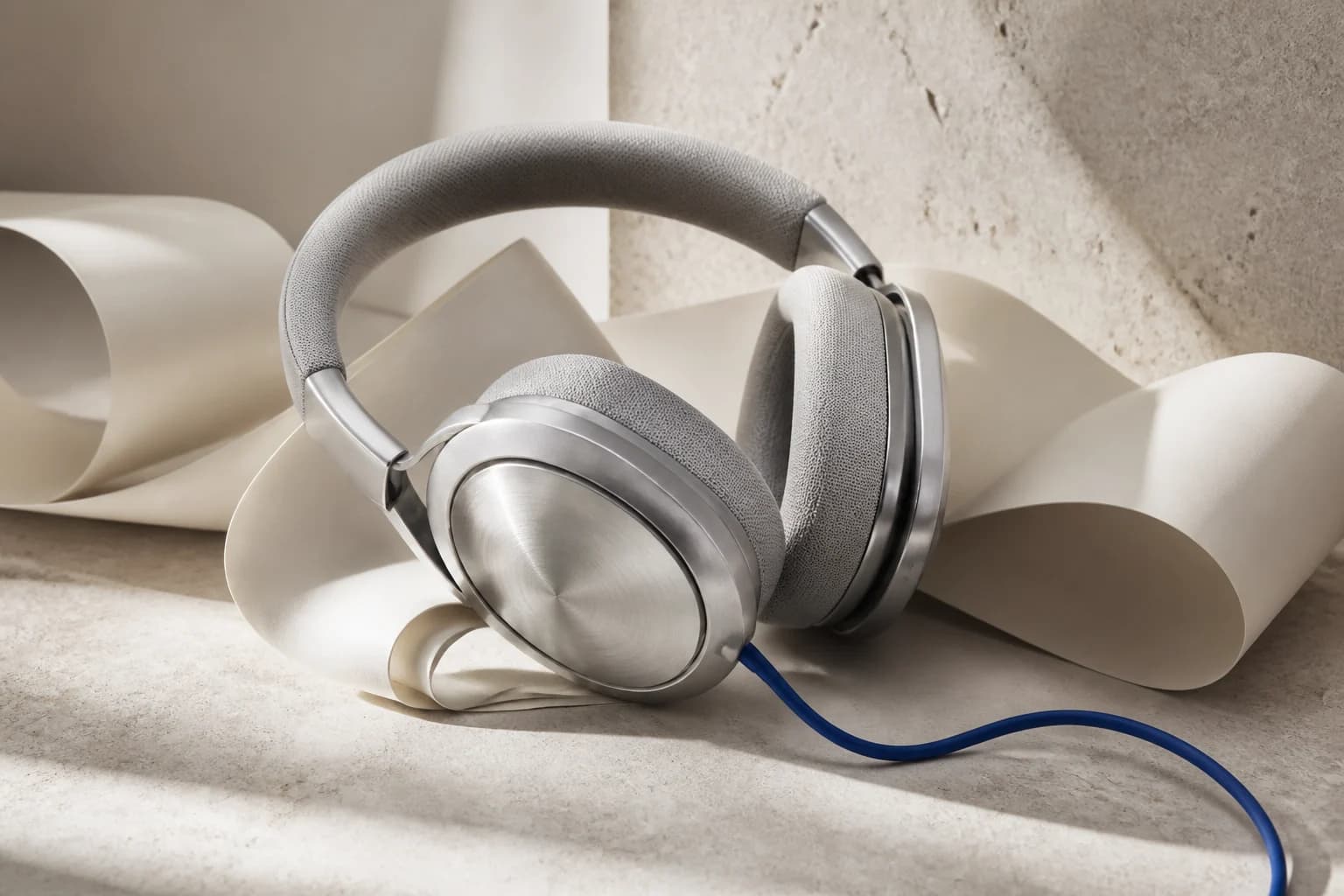
Move with confidence
Example voiceover · Brand launch
Meet the moment. Move with confidence. Every step takes you somewhere new.
Convert English text to International Phonetic Alphabet (IPA) transcription. Get word-by-word phonetic breakdowns with dictionary lookup — essential for pronunciation guides and TTS phoneme tags.
Example projects
Example voiceover · Brand launch
Meet the moment. Move with confidence. Every step takes you somewhere new.
Explore freely. Sign up to generate your own. Examples are pre-generated.
Everything you need in a free ipa transcription tool — no compromises.
Phonetic transcriptions sourced from the CMU Pronouncing Dictionary with 134,000+ entries.
See IPA transcription for each word individually. Click any word to see alternative pronunciations.
Primary and secondary stress markers show which syllables are emphasized in each word.
One-click copy of IPA transcriptions for use in documents, SSML phoneme tags, or language learning materials.
Words not in the dictionary are flagged and transcribed using rule-based phonetic algorithms.
Toggle between broad (phonemic) and narrow (phonetic) transcription for different use cases.
Get started in seconds — no installation, no sign-up.
Type or paste any English text — words, sentences, or paragraphs.
See the phonetic transcription appear below your text with word-by-word alignment.
Click individual words to see alternative pronunciations and stress patterns.
Copy IPA transcriptions for SSML tags, pronunciation guides, or educational materials.
The International Phonetic Alphabet is the universal standard for representing speech sounds. Whether you're a linguist, language teacher, voice actor, or TTS developer — IPA transcription is an essential tool. Our free IPA Transcription Tool converts English text to phonetic notation instantly, with word-by-word breakdowns and stress markers.
Manual IPA transcription is slow and requires expertise. Our tool uses the CMU Pronouncing Dictionary (134,000+ entries) for accurate, instant transcriptions. It's perfect for creating pronunciation guides, SSML phoneme tags, and educational materials.
Love this free tool? Verbatik AI offers professional-grade AI tools that go beyond what's possible with browser-based processing. Create voiceovers in 150+ languages, clone voices, generate music, produce videos, and more.
Explore our other free tools for audio editing, podcast production, and content creation.
Join 150,000+ creators, developers, and businesses using Verbatik AI to produce studio-quality voiceovers, clone voices, and generate music and sound effects.
150K+
creators
150+
languages
75ms
latency
Trusted by teams at leading companies worldwide